Walking among giraffes and white rhinos
The African Savanna spans more than 30 acres and houses white rhinoceros, Masai giraffes, zebras, ostriches, and African lions in naturalistic mixed-species enclosures.
An independent, family-friendly resource covering exhibits, planning timelines, transit, accessibility, and seasonal highlights for the 710-acre wildlife park in Scarborough.
The Toronto Zoo occupies more than 710 acres of the Rouge National Urban Park watershed in Scarborough, organized into seven major zoogeographic regions. Visitors follow a 10-kilometre path network past open savannas, indoor pavilions, and the Discovery Zone for younger children.
The park opened at its current Meadowvale site in 1974 and now homes more than 5,000 animals representing over 500 species. Roughly 1.4 million guests visit each year, making it one of the largest zoological institutions in Canada.
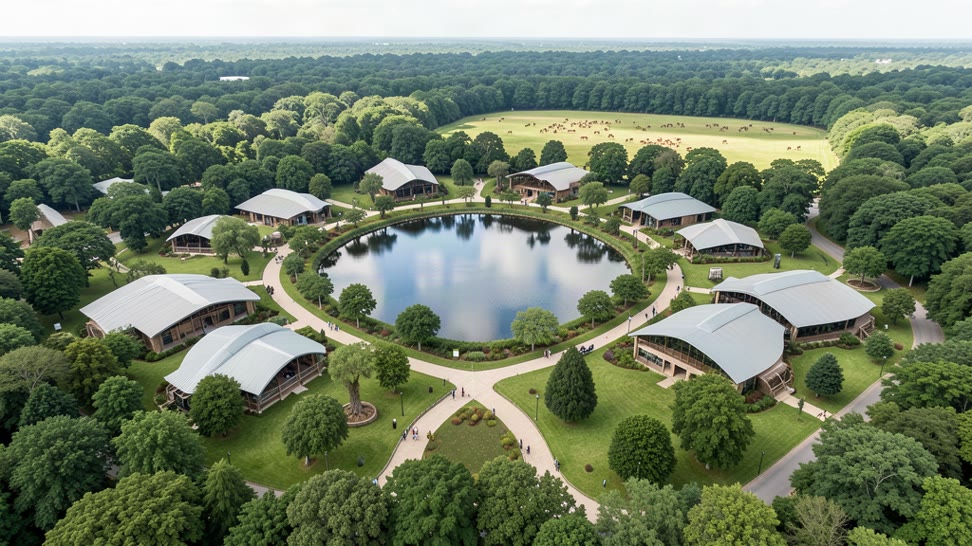
Each article focuses on a single exhibit, region, or practical planning topic. Use them to pick what to see first, what to skip on a short visit, and where to take a quiet break.
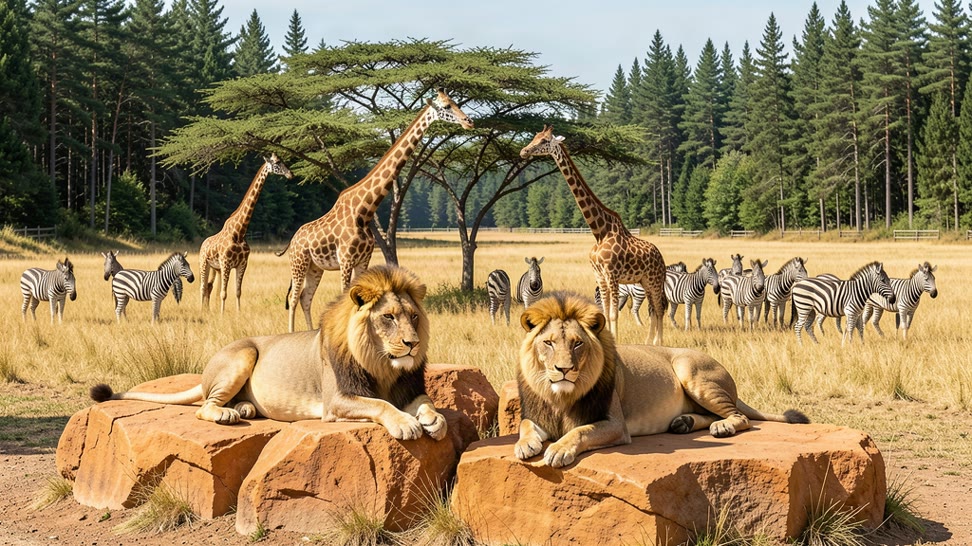
The African Savanna spans more than 30 acres and houses white rhinoceros, Masai giraffes, zebras, ostriches, and African lions in naturalistic mixed-species enclosures.
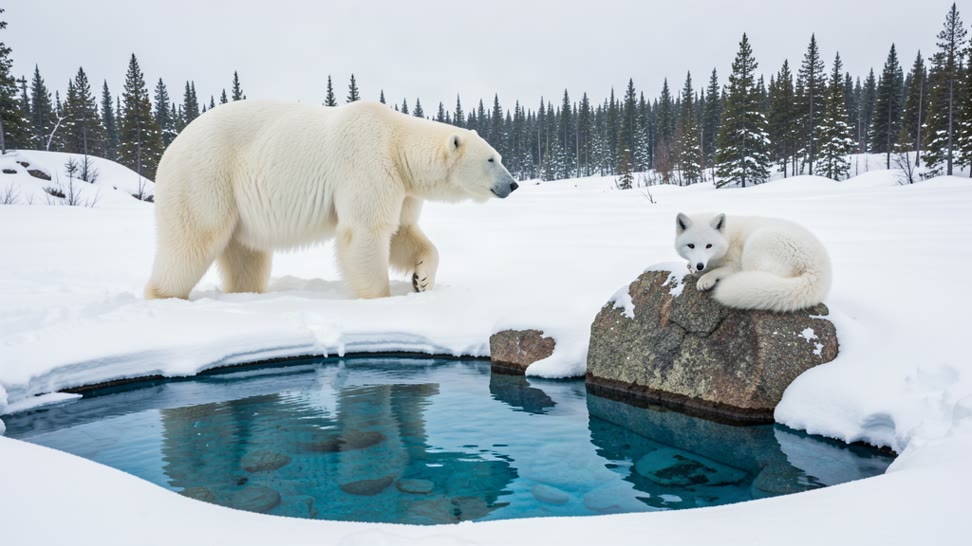
The Tundra Trek houses polar bears, Arctic wolves, and snowy owls beside a 30-foot-deep polar bear underwater viewing pool, the deepest of its kind in any Canadian zoo.

The Indo-Malaya pavilion recreates a Southeast Asian rainforest with a 30-foot mahogany canopy, Sumatran tigers, orangutans, and a free-flight aviary featuring over 30 tropical bird species.
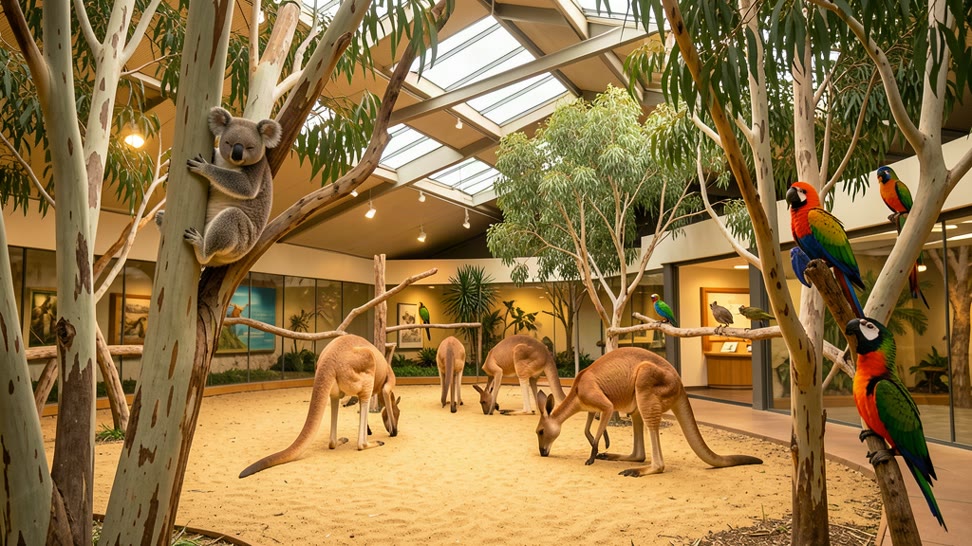
The Australasia building houses red and grey kangaroos, swamp wallabies, koalas, and a Tasmanian devil exhibit across an indoor walk-through with eucalyptus plantings and a soft lighting layout.
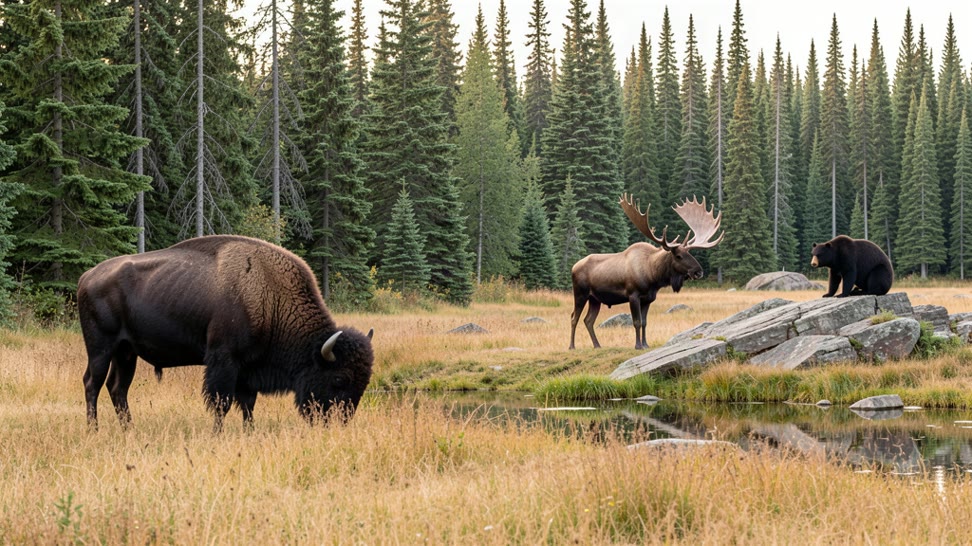
The Canadian Domain focuses on native Canadian wildlife including wood bison, moose, elk, black bears, and Canada lynx. The trail connects to a boardwalk through a 30-acre wetland observation area.
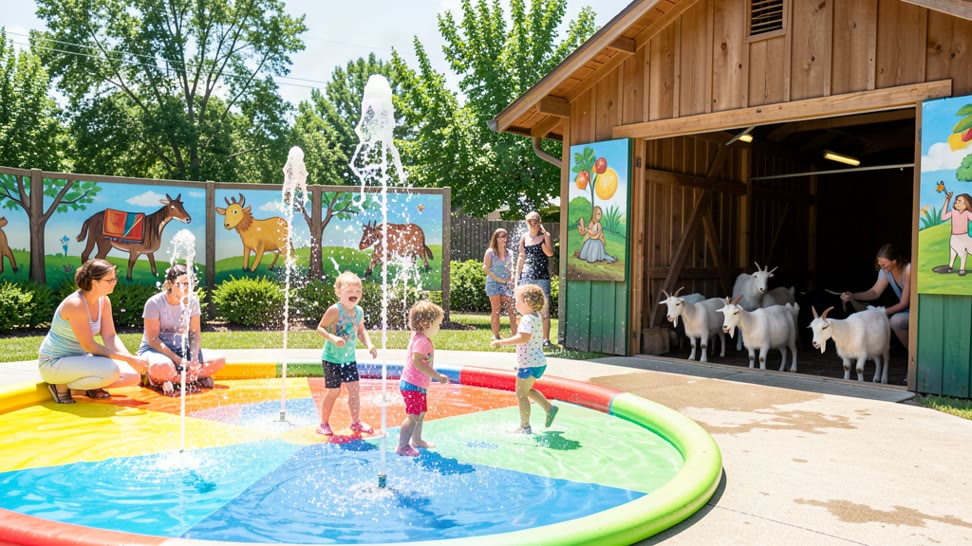
The Kids Zoo is a dedicated family area with a domesticated-animal petting barn, a splash pad that runs from late May through Labour Day, and a covered playground with parental seating.
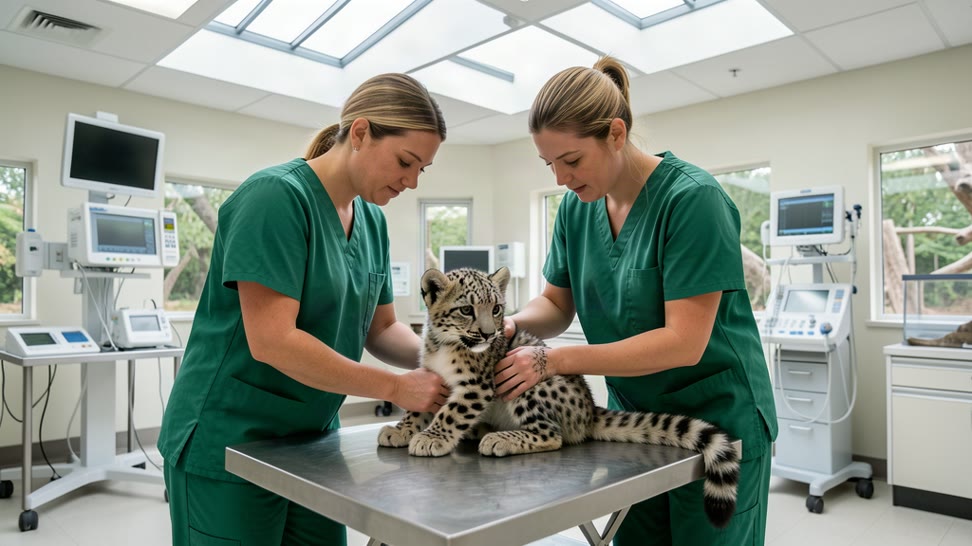
The Toronto Zoo operates more than 30 Species Survival Plan breeding programs including the endangered Vancouver Island marmot, the Oregon spotted frog, and the snowy owl.
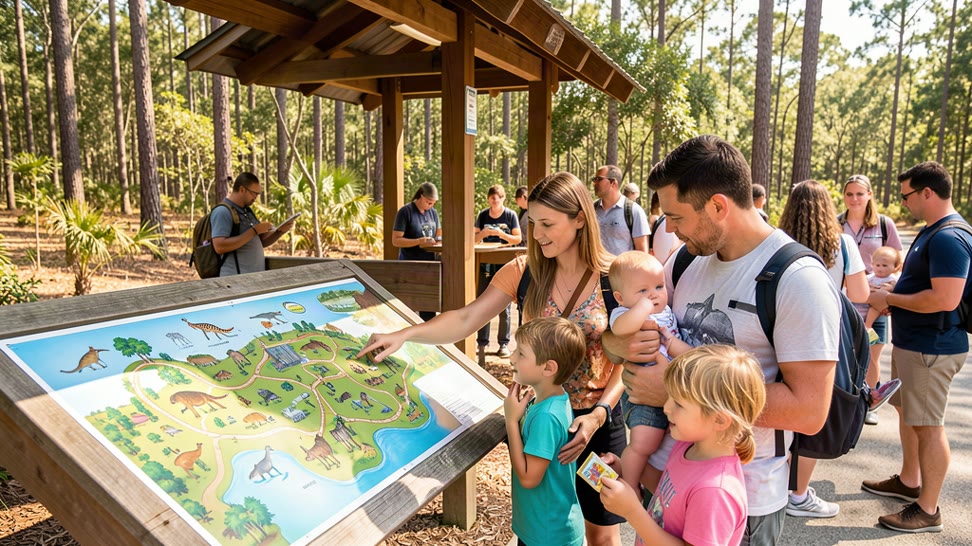
Practical planning information on single-day and annual memberships, parking and TTC subway connections, accessibility features, food and beverage options, and the best times of day to avoid peak crowds.
Practical notes gathered from returning visitors and current zoo staff guidance.
First 90 minutes after the 9:30 a.m. opening are the quietest. Most animals are also most active in cooler morning temperatures.
Following the official zoo map in clockwise order saves roughly 800 metres of backtracking compared to a counter-clockwise path.
Indoor pavilions run 18 to 20 degrees Celsius even in summer. Bring a light layer for children who spend time in the Indo-Malaya canopy.
The kids splash pad opens at 10 a.m. Visiting after 2 p.m. avoids the mid-morning peak when queues for showers and changing rooms build up.
Restaurant and cafeteria queues peak between noon and 1:30 p.m. A late lunch between 1:45 and 2:30 p.m. cuts average wait time in half.
Toronto weather shifts the visitor experience across the year. The zones below highlight what to expect each season at the zoo.
Calmer crowds, newborn animals, and tulip beds near the front entrance. Average highs 9 to 20 degrees Celsius. Some indoor pavilions remain the main draw.
The Kids Zoo splash pad and outdoor savanna viewing at their peak. Open from 9 a.m. to 7 p.m. Daily temperatures of 25 to 32 degrees Celsius require water bottles and shade breaks.
Crisp mornings, brilliant foliage on the Rouge Valley trails, and fewer weekend crowds. Average highs drop from 22 to 8 degrees Celsius through the season. Polar bears and Arctic species are most active.
Smaller visitor numbers and quiet walking paths, with many animals in their indoor winter enclosures. Tundra Trek is the highlight. Average highs hover between minus 4 and plus 1 degrees Celsius.
Information current for the 2026 visitor season. Always cross-check the official zoo site for the most up-to-date hours and ticket pricing.
Plan three to five hours for a first visit covering all seven major regions. Returning visitors with a focus on a single region can complete a visit in roughly two hours.
Yes. The Toronto Zoo is a short shuttle bus ride from Kennedy subway station on Line 2 and Line 3. The TTC operates the 86A Meadowvale bus on weekends connecting the subway directly to the main entrance.
Single and double strollers can be rented near the main entrance on a first-come basis. Wheelchair rental is also available at the same location. Both services operate weather permitting.
Outside food and non-alcoholic beverages are permitted in designated picnic areas. Glass containers, alcohol, and BBQ equipment are not permitted inside the park.
An annual pass pays for itself after two visits for a family of four. Members receive free parking, express entry at peak periods, and discounts on educational programs and sleepovers at the zoo.
Tuesday, Wednesday, and Thursday mornings are reliably the quietest days. Avoid holiday weekends, the August long weekend, and the first two weekends of the Canadian school spring break.
Get a single quarterly email with planning reminders, exhibit updates, and conservation news from independent editorial reviewers. No spam, no paid promotions.